























New Delhi [India], May 6: India’s housing market is changing as homebuyers begin to look beyond location and focus more on quality of life. Earlier, residential decisions were mostly based on how close a home was to offices, schools, or city centers. Today, buyers are also considering comfort, convenience, and how well a residential space supports daily living. This shift has made integrated townships an important topic in modern urban development.
Integrated townships are planned communities that combine housing with essential everyday infrastructure. Unlike traditional residential projects, which often rely on the surrounding city for basic services, integrated townships bring multiple facilities into a single, organized ecosystem. These usually include residential apartments, retail spaces, schools, healthcare facilities, parks, and recreational zones.
From an urban planning perspective, integrated townships are important because they improve how cities function. They reduce dependence on external infrastructure, improve convenience for residents, and create more balanced living environments. Instead of forcing residents to travel long distances for daily needs, these developments bring essential services closer to home.
This model is becoming increasingly relevant in Indian cities where rapid urban growth has created pressure on roads, transport systems, and public infrastructure. Integrated townships help address this challenge by creating more self-sustained communities that reduce everyday stress and improve quality of life.
Borivali in Mumbai is one example of how this shift is taking shape. Over the last few years, the suburb has seen increasing demand for organised residential developments due to its strong connectivity and better living environment. This reflects a larger trend where suburban locations are becoming more attractive as long-term residential destinations.
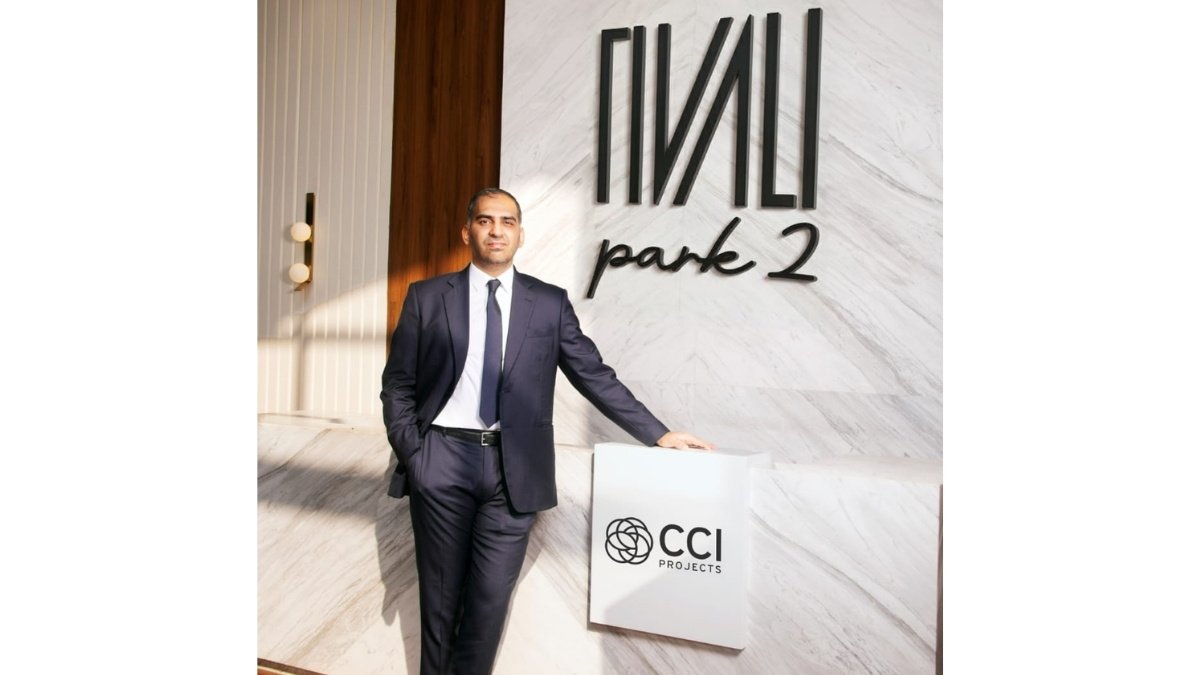
Projects like Rivali Park 2 help explain this change in practical terms. Under Rohan Khatau’s leadership, such developments show how modern housing is moving beyond standalone buildings and toward more thoughtfully planned communities. These projects are designed not just to provide homes, but to create environments that support comfort, interaction, and long-term livability.
This also reflects a larger lesson in residential planning. Modern housing is no longer only about architecture or visual appeal. It is increasingly about functionality, efficient use of space, and improving everyday life through better planning.
As Indian cities continue to expand, integrated townships are becoming an important part of the future of housing. Through this approach, Rohan Khatau highlights how residential development in India is gradually becoming more structured, more sustainable, and better aligned with the changing needs of urban families.
If you object to the content of this press release, please notify us at pr.error.rectification@gmail.com. We will respond and rectify the situation within 24 hours.