

























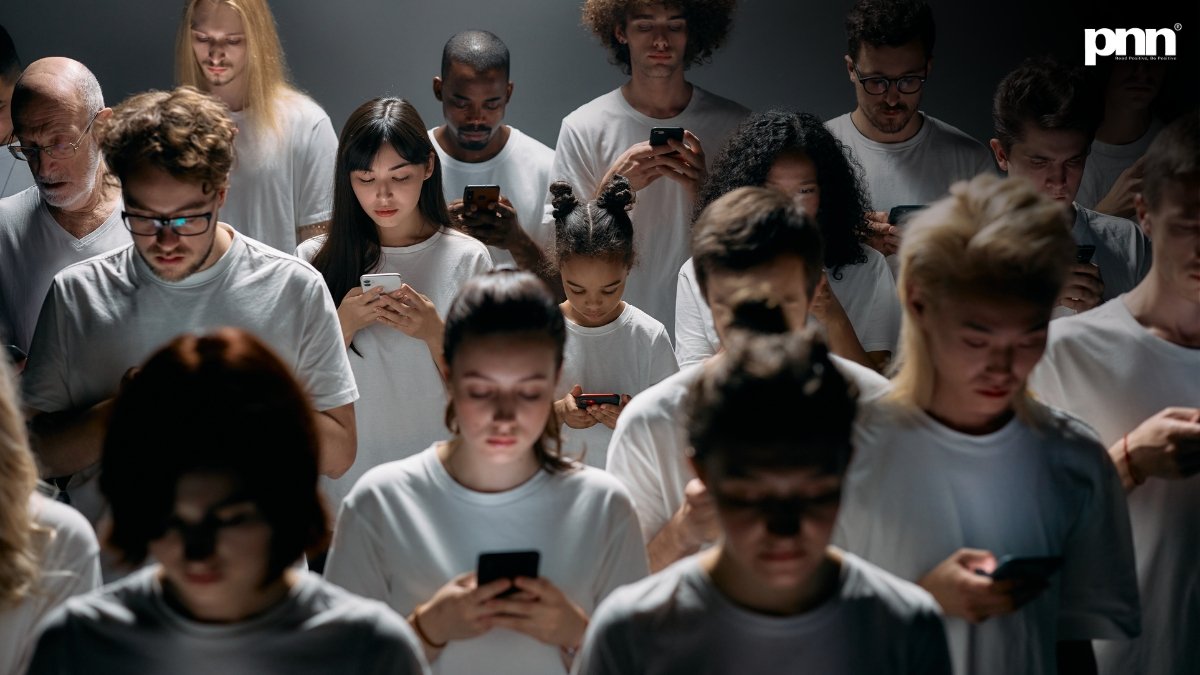
New Delhi [India], July 13: Every generation has a resource that defines its success. For previous generations, it was land, capital or education. Today, it is attention.
The modern economy isn’t just after your money anymore—it’s after your time and attention. Every spare moment, every mindless swipe, every buzz from your phone—there’s always something fighting to keep you hooked. Social media, streaming shows, games, even “productivity” apps—all of them are built to make sure you stick around. The longer these platforms keep your eyes glued, the more they win.
But for young people, all this goes way deeper than just how long you spend staring at a screen.
Attention is now everything. It’s the base for learning new things, being creative, and actually getting ahead in your career. A student who can actually sit and focus for a couple of hours straight? That person walks out with a real edge over someone else who spent the same time jumping between reels, notifications, and bite-sized videos. These days, the difference isn’t how smart you are—it’s whether you can actually stay present.
That’s the quiet way this whole “attention economy” is steering people’s lives.
Almost every study out there draws the same picture—constant digital interruptions kill your ability to concentrate deeply. Sure, we have the world’s information in our pockets, ready in a second. But building real, solid thoughts is getting harder, not easier. So now, we’ve got a generation that knows a little about everything but struggles to focus on anything.
And that’s actually a big deal. Real skills—writing, designing, coding, researching, even building real relationships—none of these things happen in quick, distracted bursts. You need time and space for them to grow. You can’t learn them in thirty-second chunks.
It’s kind of strange. Tech platforms love advertising themselves as ways to connect or share who you really are. And yet, most of the time, they push speed over depth, reactions over real thought, and sameness over creativity. Viral stuff spreads quickly, but good ideas need time to take root—and “quick” rarely equals “valuable.”
So now, young people heading into the workforce are finding out the hard way—companies care less about who can answer emails the fastest and more about who can actually sit down and solve tricky problems, manage projects without getting sidetracked, and bring original thinking to the table. With AI picking up more and more routine tasks, real focus is becoming one of the few things computers can’t steal.
That makes your attention a rare competitive edge—it’s not something you can swipe from an app or buy online.
You don’t have to give up technology to get it back, either. It’s about using your phone or computer on purpose, not just out of habit. Little changes matter—silencing pointless notifications, setting aside real time for focused work, putting limits on mindless scrolling, making space for device-free moments. These aren’t just productivity tricks. They’re investments in how your brain works, now and for the long haul.
And honestly, this needs to change at a bigger level too. We’ve spent years acting like being constantly busy and always online is some kind of badge of honor. But being reachable isn’t the same as being accomplished. Devouring more content doesn’t automatically mean you’ll have better ideas. Knowing what’s going on is important, but it only matters if you give your brain time to turn that info into understanding.
The future won’t go to the people who consume the most. It’ll belong to the folks who can really focus on what means something.
At a time when every app and website is trying to steal your focus, protecting it is a real ambition. The young people who thrive in the next decade won’t necessarily be the ones with the fastest WiFi or the biggest social media followings. They’ll be the ones who refuse to hand over their attention to someone else’s business model.