


























Mumbai (Maharashtra) [India], December 25: Once upon a time, lifestyle consumption in India followed a predictable map. Premium meant metropolitan. Aspirational meant imported. And “local” was code for compromise.
That map is now outdated.
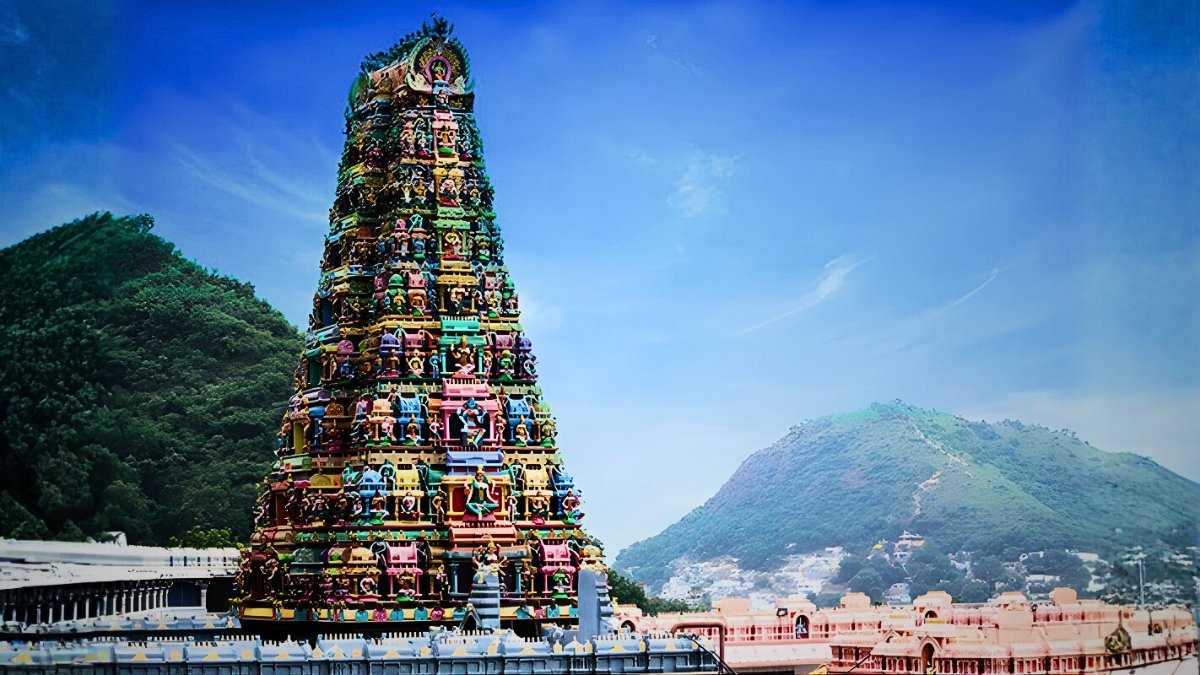
In cities like Vijayawada, lifestyle consumption is no longer an imitation of metro behaviour—it’s an interpretation. Grocery aisles sit next to premium skincare. Branded athleisure coexists with neighbourhood tailoring. Café culture hums alongside traditional eateries. The shift isn’t loud, but it’s deliberate.
This isn’t about splurging. It’s about confidence.
Tier-2 cities are no longer waiting for validation from bigger pin codes. They are building their own consumption grammar—one that blends practicality with pride, affordability with aspiration, and local identity with global taste.
And yes, the market has noticed.
For decades, economic narratives treated smaller cities as feeders—sources of labour, migration, and demand leakage toward metros. That assumption is slowly unraveling. Rising incomes, better connectivity, digital access, and regional economic growth have changed what people want—and more importantly, what they’re willing to pay for.
Lifestyle, it turns out, travels faster than urban planning.
The Backstory Nobody Put In Investor Decks
Tier-2 cities didn’t suddenly “discover” lifestyle. They always had taste. What they lacked was access, choice, and acknowledgement.
Earlier, premium consumption meant travel—physically or digitally. Either you went to a bigger city, or you ordered online and hoped for the best. Local markets focused on volume, not experience.
But as regional economies strengthened and consumer exposure expanded, something subtle happened. People stopped treating premium as aspirational theatre and started treating it as normal life progression.
This isn’t metro envy. It’s self-assurance.

Premium Consumption As A Confidence Signal
What Spending Patterns Reveal About The Middle Class Mindset
Premium consumption in smaller cities isn’t reckless spending. It’s selective upgrading.
Consumers are choosing better products in categories that matter most:
-
Food quality and grocery sourcing
-
Personal care and wellness
-
Home décor and appliances
-
Clothing that balances brand with comfort
The psychology here is crucial. This isn’t about showing off. It’s about feeling aligned with one’s income, exposure, and effort. People want their surroundings to reflect their progress—not exaggerate it.
Middle-class confidence is no longer quiet. It’s calibrated.
Retail Isn’t Shrinking—It’s Localising
How Lifestyle Brands Must Rethink Tier-2 Markets
Retail success in tier-2 cities doesn’t come from copy-pasting metro formats. What works in a mall-heavy ecosystem doesn’t always translate to mixed-use, community-driven markets.
Consumers here value:
-
Accessibility over excess
-
Familiarity over intimidation
-
Value perception over logo obsession
Brands that succeed understand one thing: aspiration doesn’t erase context. It adapts to it.
Stores that blend premium aesthetics with regional sensibility outperform sterile luxury templates. Retail in these cities thrives when it feels welcoming, not instructional.
Grocery To Grooming: Lifestyle Is Becoming Holistic
The most telling shift isn’t in fashion—it’s in everyday consumption.
Grocery shopping has evolved from transactional to intentional. Consumers are choosing quality staples, branded essentials, and health-forward options alongside traditional purchases. The same applies to grooming, fitness, and home organisation.
Lifestyle isn’t an event anymore. It’s embedded into routine.
Sarcastically speaking, premium is no longer reserved for weekends or weddings. It’s Tuesday afternoon, and people are okay with that.
Digital Exposure, Local Execution
E-commerce played a critical role in shaping taste. But brick-and-mortar still seals trust.
Tier-2 consumers often research online but prefer to buy offline—especially for lifestyle products. Physical presence reassures quality, service, and accountability.
This hybrid behaviour has created opportunities for:
-
Smaller-format premium stores
-
Local franchise partnerships
-
Experience-driven retail spaces
Retail here isn’t dying. It’s just refusing to be generic.
The Economic Reality Beneath The Gloss
Let’s ground this shift in reality.
Disposable incomes in tier-2 cities have risen steadily, supported by local industries, government employment, MSMEs, and service-sector growth. Infrastructure upgrades—roads, transport, digital connectivity—have reduced the “distance” between cities.
Lifestyle spending is no longer aspirational debt. It’s planned allocation.
That said, growth isn’t uniform. Not every neighbourhood participates equally. Premium consumption often clusters around economically active zones, leaving pockets behind.
Progress has a postcode bias.
The Pros Everyone Is Celebrating
Why This Shift Is Good News:
-
Stronger local economies
-
Reduced dependence on metros
-
More regional entrepreneurship
-
Better quality-of-life choices
Lifestyle consumption fuels local employment, strengthens supply chains, and encourages innovation closer to home.
In short, aspiration is no longer outsourced.
The Cons Nobody Wants To Advertise
The Risks Beneath The Rise:
-
Over-commercialisation of local culture
-
Price inflation in everyday categories
-
Pressure to “keep up” socially
-
Uneven access across income groups
Premiumisation can quietly alienate those who don’t—or can’t—participate. When lifestyle becomes a marker of worth, consumption risks turning into competition.
Confidence should not mutate into quiet anxiety.
Where Brands Often Get It Wrong
Some brands still treat tier-2 markets as diluted metros. That assumption backfires.
Consumers here are discerning, not naïve. They recognise quality—but they also recognise pretence. Overpricing without value, flashy branding without relevance, or tone-deaf campaigns fail quickly.
Respect, not aspiration, builds loyalty.
A Different Perspective On Lifestyle
Lifestyle consumption in smaller cities isn’t about catching up. It’s about settling in.
People aren’t buying premium products to escape their city. They’re buying them to enjoy living there.
That distinction matters.
It suggests a future where economic growth doesn’t automatically funnel ambition outward. Where people invest emotionally—and financially—into their local ecosystem.
That’s not just market evolution. That’s cultural stability.
Where This Is Headed Next
Expect more:
-
Regional-first retail strategies
-
Tier-2 focused product lines
-
Community-driven brand storytelling
-
Experience over excess
Lifestyle brands that listen rather than lecture will win here.
Final Thought
Lifestyle consumption in cities like Vijayawada isn’t a trend. It’s a declaration.
People aren’t asking for permission to live well anymore. They’re doing it—locally, selectively, and on their own terms.
And for the first time in a long while, the market is learning to listen.