
























New Delhi [India], February 11: Luxury in Indian fashion has long been defined by obvious markers: intricate embroidery, opulent fabrics, statement embellishments, and pieces that announce themselves the moment you walk into a room. The price of luxury was often discomfort—restrictive cuts, heavy materials, garments that required careful handling, and limited movement. But wear them you did, because luxury was supposed to be aspirational, not practical.
Something fundamental is shifting in how urban Indian women define luxury in their wardrobes. Increasingly, the most coveted pieces aren’t the ones that make the boldest statements—they’re the ones you can actually wear. Repeatedly. Comfortably. Across contexts without elaborate styling gymnastics.
Wearability, it turns out, is becoming the new luxury.
The lifestyle recalibration
This shift isn’t happening in isolation. It reflects broader changes in how urban Indian women are living, working, and moving through the world.
Consider the typical day for a woman in her late twenties or early thirties working in India’s metropolitan cities. She might start with a morning workout or yoga session, transition to a co-working space or home office for work calls, meet a colleague for lunch at a café, handle some errands, and end the evening at a friend’s gathering or dinner. Her day spans multiple contexts, each with different dress codes and social expectations.
The traditional approach to this lifestyle would require multiple outfit changes or careful planning to ensure what she wears to work also works for evening plans. The reality? Most women don’t have the time, energy, or inclination for that level of wardrobe management.
What they want are pieces that transition seamlessly—a co-ord set that works for a client meeting and a gallery opening, a dress that’s polished enough for a lunch meeting but relaxed enough for weekend brunch, a jacket that adds structure without feeling corporate.
This isn’t about compromising on style. It’s about redefining what stylish means. The luxury is in not having to think too hard, not having to change clothes three times a day, not having to sacrifice comfort for looking put-together.
The death of occasion-specific dressing
Previous generations of Indian women often maintained distinct wardrobes: work clothes, weekend clothes, ethnic wear for family occasions, western wear for social events, special occasion pieces worn once or twice a year. Closets were organized by function, with clear boundaries between categories.
Today’s urban Indian woman increasingly rejects this compartmentalization. She wants pieces that blur boundaries—that can be dressed up or down, that work across occasions without screaming any single context. The Instagram aesthetic of constantly wearing new, dramatic outfits is giving way to a more realistic approach: building a smaller wardrobe of versatile pieces worn repeatedly in different combinations.
This shift is partly practical—smaller living spaces in urban centers don’t accommodate massive wardrobes—but it’s also philosophical. There’s a growing rejection of the idea that you need different clothes for different aspects of your life. Why shouldn’t the same well-cut dress work for a work presentation and a dinner date? Why can’t a thoughtfully designed co-ord set transition from day to evening?
The luxury is in pieces doing more while demanding less—less closet space, less mental energy, less constant wardrobe replenishment.
Comfort as status
There’s also something happening around comfort that challenges traditional notions of what luxury looks like. In the past, discomfort was almost a badge of honor in fashion—high heels you couldn’t walk in, fitted garments that restricted movement, fabrics that required constant adjustment. Enduring discomfort signaled that you cared about looking good.
That equation is reversing. Today, being able to move through your day without constantly adjusting your outfit, without counting down the minutes until you can change into something comfortable, without sacrificing mobility for aesthetics—that’s luxury.
This isn’t about athleisure or abandoning structured clothing. It’s about demanding that well-designed fashion accommodate actual bodies and actual movement. Structured silhouettes that don’t restrict breathing. Fitted cuts that allow for sitting, bending, reaching. Fabrics that breathe and move with you. Details that add visual interest without adding physical burden.
The woman who can look polished without sacrificing comfort—who doesn’t need to change out of her outfit the moment she gets home—is, in many ways, experiencing a luxury that previous generations of fashion didn’t prioritize.
The economics of wearability
There’s also an economic dimension to this shift. As urban Indian women become more financially independent and discerning about spending, the cost-per-wear calculation becomes more important than the initial price tag.
A ₹15,000 dress that sits in your closet because it’s too delicate, too formal, or too uncomfortable to wear regularly is a poor investment compared to a ₹5,000 co-ord set you reach for twice a week. The luxury isn’t in owning expensive clothes—it’s in owning clothes that justify their existence by being genuinely useful.
This is driving a move away from impulsive fast fashion purchases and special-occasion splurges toward more thoughtful wardrobe building. Women are willing to invest more in individual pieces, but those pieces need to earn their place by being versatile, durable, and truly wearable.
A brand aligned with the shift
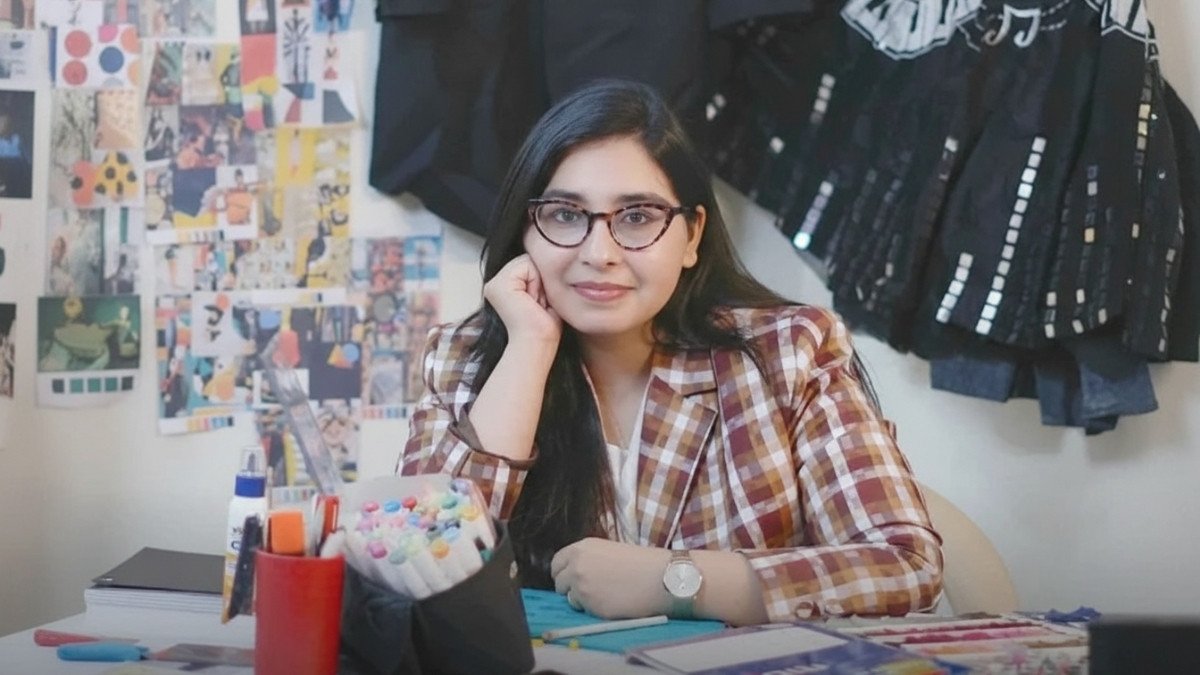
Label By Mohita, a contemporary women’s fashion brand founded by fashion educator Mohita Purswani, has built its entire identity around this philosophy. The brand’s positioning—”no seasons, all style”—explicitly rejects the fast-fashion cycle in favor of versatile pieces designed for year-round wear.
With categories focused on co-ord sets, dresses, fashion denim, and statement jackets priced between ₹2,399 and ₹8,950, the brand occupies the space between fast fashion and premium designer wear. The design language prioritizes wearability: 3D detailing and handcrafted accents that add interest without adding weight or fuss, structured silhouettes that flatter without restricting, contemporary prints that feel fresh without being trend-dependent.
The brand’s current performance—₹30–40 lakhs in monthly sales with consistent month-on-month growth—suggests this approach resonates. These aren’t numbers driven by viral marketing or heavy discounting. They reflect a growing segment of urban Indian women choosing to invest in wearable, versatile pieces over trend-driven purchases or special-occasion clothing.
Label By Mohita isn’t alone in this space, but its growth trajectory illustrates a broader market shift. Consumers are voting with their wallets for brands that prioritize wearability, versatility, and thoughtful design over novelty and spectacle.
The Instagram paradox
Interestingly, this shift toward wearability is happening despite—or perhaps because of—Instagram’s influence on fashion. Social media initially seemed to push fashion toward constant newness and maximum visual impact. Every outfit needed to be post-worthy, distinct, memorable.
But the sustainability of that approach has worn thin. The cognitive load of constantly acquiring and styling new outfits is exhausting. The environmental impact is increasingly uncomfortable to ignore. And the authenticity of lives curated for maximum aesthetic impact feels increasingly hollow.
What’s emerging instead is a quieter aesthetic on social media—women posting the same jacket styled multiple ways, celebrating versatile pieces they wear repeatedly, sharing real wardrobes rather than perfectly curated collections. The luxury is in having a wardrobe that works for your actual life, not one optimized for photographs.
This doesn’t mean fashion is becoming boring. It means the definition of interesting is evolving—from dramatic, attention-grabbing pieces to thoughtful design that reveals itself over time and through wear.
What this means for Indian fashion
This shift toward wearability as luxury has implications for the broader Indian fashion industry. Brands built primarily on occasion-specific clothing or trend-driven fast fashion may find their relevance diminishing among urban consumers prioritizing versatility and longevity.
Meanwhile, brands that can deliver contemporary design with genuine wearability—that understand the lifestyle needs of modern Indian women and design accordingly—are positioned to capture a growing market segment willing to pay premium prices for pieces they’ll actually wear.
This isn’t about Western fashion colonizing Indian aesthetics. It’s about Indian women defining what works for their lives, which increasingly span multiple contexts and reject rigid categorization. The brands succeeding in this space aren’t copying Western fast fashion—they’re designing specifically for the modern Indian woman’s lifestyle while respecting her aesthetic preferences and body diversity.
The new calculation
Ultimately, this shift represents a maturation of how urban Indian women think about fashion. The luxury is no longer in owning clothes that signal status through obvious markers of expense or exclusivity. It’s in owning clothes that make daily life easier, that integrate seamlessly into varied routines, that deliver style without demanding sacrifice.
It’s the luxury of getting dressed in the morning and knowing your outfit will work for everything the day throws at you. The luxury of clothes that feel as good at 10 PM as they did at 10 AM. The luxury of a wardrobe that serves you, rather than one you serve.
This is wearable fashion as the new luxury—not a compromise on style, but a refinement of what style means when it’s designed for real life rather than idealized occasions. And for the brands that understand this shift, the opportunity isn’t just commercial—it’s the chance to reshape how a generation of Indian women thinks about building wardrobes that genuinely work.
If you object to the content of this press release, please notify us at pr.error.rectification@gmail.com. We will respond and rectify the situation within 24 hours.