

























Bengaluru (Karnataka) [India], July 28: Conservation in India is no longer confined to protected forests and wildlife reserves. Businesses across sectors are demonstrating that restoring ecosystems can go hand in hand with economic growth. From regenerative agriculture and reforestation to biodiversity conservation and circular waste management, these companies are proving that environmental stewardship can be embedded into business itself.
Here are six companies helping shape India’s next conservation movement.
1. Conservation Needs to Become a Lifestyle. Hosachiguru Is Making It Possible.
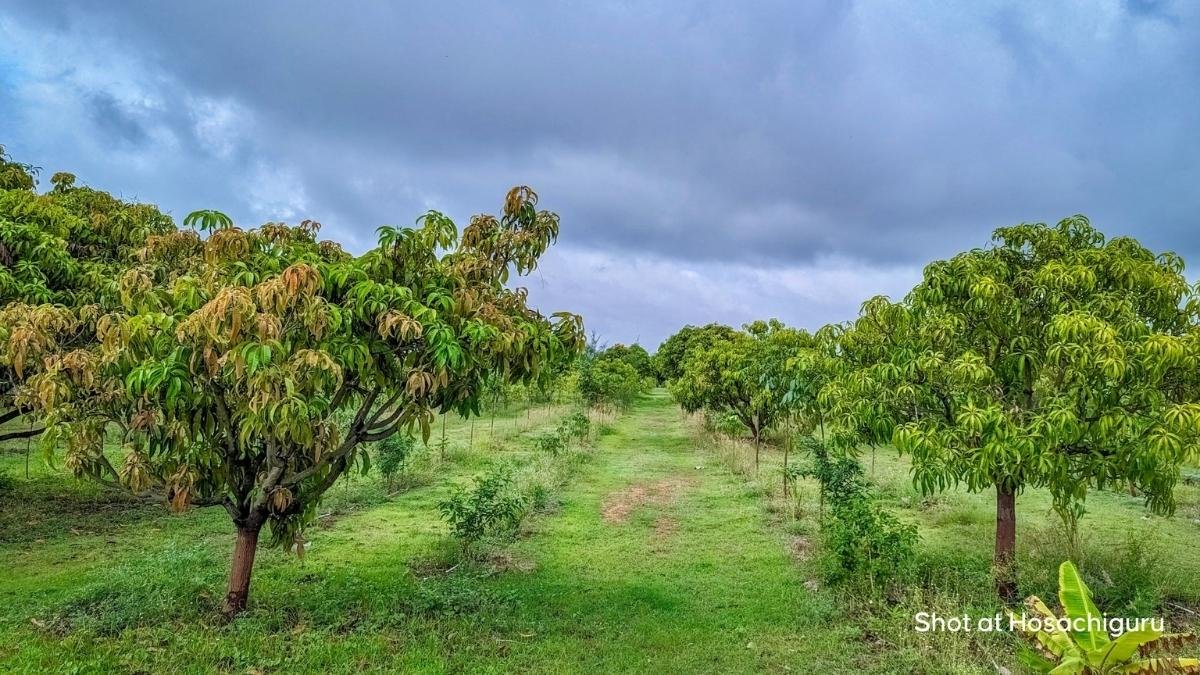
Hosachiguru integrates regenerative agriculture, agroforestry, native tree plantations and water conservation into managed farmland projects. By enabling individuals to invest in ecologically restored landscapes, the company has made conservation a long-term lifestyle choice while improving biodiversity, soil health and groundwater recharge. Its approach demonstrates that productive landscapes can also serve as thriving ecosystems, creating environmental value alongside long-term land stewardship.
2. Restoring Forests Requires More Than Tree Planting. Grow-Trees.com Is Building Community-Led Green Cover.
Grow-Trees.com has planted millions of trees across India by partnering with local communities, NGOs and corporations. Its restoration projects focus on degraded forests, wildlife corridors, riverbanks and rural livelihoods, ensuring that reforestation creates both ecological and social impact. By involving local communities in plantation and maintenance activities, the organisation helps ensure that restoration efforts remain sustainable long after the trees are planted.
3. Biodiversity Thrives When Agriculture Works with Nature. Sresta Natural Bioproducts Is Demonstrating How.
Known for its organic brand 24 Mantra Organic, Sresta Natural Bioproducts has supported thousands of farmers in adopting certified organic agriculture. By reducing chemical inputs and promoting healthier soils, the company contributes to biodiversity conservation while encouraging sustainable farming practices. Its farmer-centric model highlights how organic agriculture can protect ecosystems while creating resilient livelihoods for farming communities.
4. Plastic Waste Should Never End Up in Nature. Banyan Nation Is Closing the Loop.
Banyan Nation is transforming plastic waste into high-quality recycled materials through advanced recycling technologies. By diverting plastic from landfills, rivers and natural ecosystems, the company is helping reduce pollution while advancing India’s circular economy. Its work demonstrates that effective waste management is not only about recycling but also about preventing environmental degradation at scale.
5. Healthy Ecosystems Begin with Healthy Forests. SayTrees Is Restoring Them One Community at a Time.
SayTrees works with volunteers, corporates and local governments to restore degraded urban and rural ecosystems through afforestation, lake rejuvenation and biodiversity conservation. Its projects improve green cover while creating habitats for birds, insects and native flora. The organisation also promotes citizen participation, encouraging individuals and businesses to become active contributors to India’s ecological restoration efforts.
6. Regenerative Agriculture Can Rebuild the Land. Organic Mandya Is Empowering Farmers to Lead the Change.
Organic Mandya works with farmer collectives to promote natural and chemical-free farming methods that improve soil fertility, conserve water and protect biodiversity. Its farmer-led model demonstrates that agricultural productivity and ecological restoration can go hand in hand. By strengthening market access for sustainably grown produce, the organisation also creates economic incentives for farmers to adopt environmentally responsible practices.
India’s next conservation movement is not being driven by one industry alone. It is emerging through businesses that are restoring forests, regenerating farmland, reducing pollution, conserving biodiversity and helping communities become active stewards of nature. This World Nature Conservation Day, these companies remind us that protecting the environment is no longer just the responsibility of governments and conservationists; it is becoming an integral part of how businesses create lasting value.
If you object to the content of this press release, please notify us at pr.error.rectification@gmail.com. We will respond and rectify the situation within 24 hours.