

























Bengaluru (Karnataka) [India], August 27: Milann Fertility and Birthing Hospital, Bengaluru, one of India’s leading centres for maternal and fetal medicine, successfully managed two exceptionally complex high-risk pregnancies that involved multiple medical complications, including severe fetal abnormalities, recurrent IVF failures, fetal growth restriction, autoimmune disorders, and an elevated risk of pregnancy loss. Through meticulous fetal surveillance, multidisciplinary expertise, and personalised treatment strategies, the clinical team safely navigated both pregnancies, resulting in the birth of two healthy babies who subsequently achieved normal growth and developmental milestones.
The successful outcomes reinforced the importance of evaluating every high-risk pregnancy on its own clinical merits rather than relying solely on initial diagnostic findings. By combining advanced fetal medicine with continuous monitoring and timely interventions, the treating team was able to make informed clinical decisions at every stage of pregnancy, significantly improving maternal and neonatal outcomes.
One of the cases involved a 28-year-old woman who had been married for five years and conceived twins following fertility treatment. She had been receiving treatment for hypothyroidism and was diagnosed with gestational diabetes mellitus during the first trimester, which was managed through medical nutritional therapy and oral medication.
Her NT scan at 12 weeks revealed gross ventriculomegaly in one twin, while the second twin appeared healthy. The double marker test indicated low-risk findings for both fetuses, and a prophylactic cervical cerclage was performed at 15 weeks. A subsequent anomaly scan at 20 weeks confirmed Dandy-Walker malformation in one fetus, while the co-twin continued to develop normally. After detailed counselling and multidisciplinary discussions, the medical team performed a selective fetal reduction at 21 weeks to maximise the chances of a successful outcome for the healthy fetus while reducing the risks associated with the ongoing pregnancy.
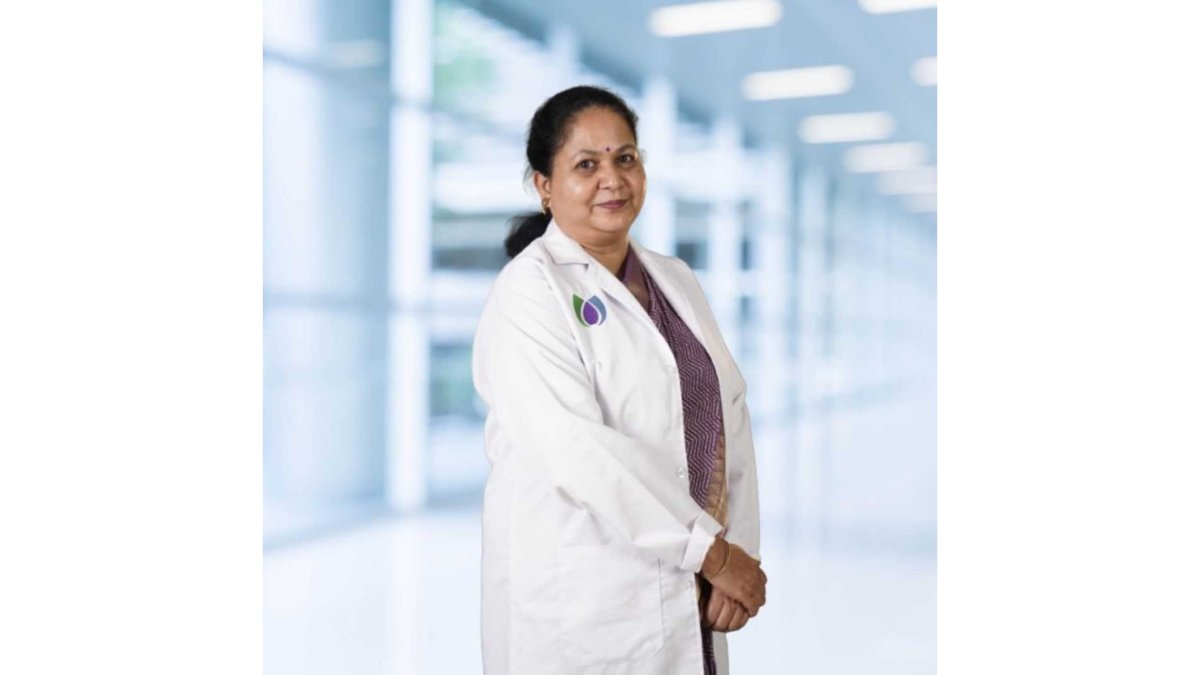
Following the procedure, the pregnancy remained under close monitoring because of its high-risk nature. During the course of the pregnancy, fetal growth restriction was identified and managed through nutritional support and regular fetal surveillance. At 34 weeks, the patient developed preterm labour with premature rupture of membranes, necessitating an emergency Caesarean section. She delivered a healthy baby boy weighing 1.74 kg, who required one day of NICU observation before discharge. At one year of age, the child continued to achieve normal growth and developmental milestones. The case was successfully managed under the care of Dr. Varini N, Senior Consultant – Obstetrician and Gynecologist, Milann Fertility and Birthing Hospital, Bengaluru, who led the multidisciplinary team throughout the patient’s pregnancy and delivery.
Dr. Varini N, Senior Consultant – Obstetrician and Gynecologist, Milann Fertility and Birthing Hospital, Bengaluru, said, “Managing a twin pregnancy complicated by a serious fetal anomaly required careful clinical judgement and continuous monitoring at every stage. By adopting a personalized treatment approach and intervening at the right time, we were able to optimize the outcome for both the mother and the healthy baby.”
The second case involved a 32-year-old woman whose journey to parenthood had spanned over eleven years. She had undergone eight unsuccessful IVF cycles at another centre because of poor ovarian reserve. She had also been diagnosed with hypothyroidism and tested positive for anti-nuclear antibodies, for which she had been managed by an immunologist with specialised medications, including blood thinner injections. She had previously experienced a miscarriage at 14 weeks despite medical management.
To improve implantation success, the treating team performed an Endometrial Receptivity Analysis (ERA) before initiating her ninth IVF cycle, which resulted in a successful pregnancy. However, the pregnancy soon presented additional challenges. During the first trimester, the NT scan and double marker screening indicated a high risk for Down syndrome. Following detailed counselling, the patient underwent amniocentesis, and chromosomal microarray testing later confirmed that the fetus was genetically normal.
During the anomaly scan at 20 weeks, doctors identified severe fetal growth restriction along with a suspected cardiac abnormality. While the couple sought a second opinion and was advised to terminate the pregnancy, they chose to continue after detailed counselling by the treating team. Subsequent evaluation ruled out the suspected cardiac anomaly, and the pregnancy was closely monitored with personalised medical management and regular fetal surveillance. At 36 weeks and five days, an emergency Caesarean section was performed following signs of compromised fetal blood flow. A healthy baby girl weighing 1.88 kg was delivered successfully and continued to achieve normal growth and developmental milestones at one year of age. The case was successfully managed under the care of Dr. Varini N, Senior Consultant – Obstetrician and Gynecologist, Milann Fertility and Birthing Hospital, Bengaluru, who closely monitored the high-risk pregnancy and guided the couple through every stage of treatment until delivery.
Dr. Varini N, Senior Consultant – Obstetrician and Gynecologist, Milann Fertility and Birthing Hospital, Bengaluru, said, “High-risk pregnancies should never be managed based on a single scan or isolated finding. Continuous assessment, evidence-based interventions and personalised care enabled us to safely prolong the pregnancy and achieve a healthy outcome for both the mother and the baby despite multiple clinical challenges.”
The successful management of these two pregnancies reaffirmed that fetal abnormalities, severe fetal growth restriction and recurrent pregnancy complications should be assessed on an individual basis. With comprehensive fetal evaluation, personalised treatment strategies and multidisciplinary care, many high-risk pregnancies could be managed successfully, improving outcomes for both mothers and their babies.
If you object to the content of this press release, please notify us at pr.error.rectification@gmail.com. We will respond and rectify the situation within 24 hours.